Update Time: 2026-03-13
Severe Hypoglycemia: A Critical Guide to Recognizing the Signs
Severe hypoglycemia, often referred to as very low blood sugar, is a dangerous condition that can occur primarily in individuals with diabetes, particularly those taking insulin or certain oral medications. Understanding and recognizing the signs and symptoms of severe hypoglycemia is crucial for both the affected individual and their caregivers. Quick intervention is often necessary to prevent potentially life-threatening complications, such as seizures, loss of consciousness, and, in rare cases, death.
This comprehensive guide breaks down the critical aspects of severe hypoglycemia: how it differs from mild or moderate episodes, the key warning signs to watch out for, and the immediate steps you need to take to manage the situation effectively. Whether you are a person living with diabetes, a family member, a caregiver, or simply someone interested in learning more about this medical emergency, this guide will equip you with essential knowledge.
Understanding Hypoglycemia: From Mild to Severe
Hypoglycemia occurs when the level of glucose (sugar) in your blood drops too low. Glucose is the primary source of energy for your body, and when levels fall too low, your brain and other organs cannot function properly. Different degrees of hypoglycemia require different responses, and it’s essential to distinguish between them:
Mild Hypoglycemia
- Symptoms: Sweating, trembling, dizziness, hunger, mild confusion.
- Action: Typically, consuming 15-20 grams of fast-acting carbohydrates (such as glucose tablets, fruit juice, or regular soda) and rechecking blood sugar after 15 minutes will resolve the issue.
Moderate Hypoglycemia
- Symptoms: Increased confusion, difficulty concentrating, blurred vision, weakness, irritability, headache.
- Action: Requires a larger dose of fast-acting carbohydrates, and often, assistance may be needed if the person is too disoriented to treat themselves.
Severe Hypoglycemia
- Symptoms: Loss of consciousness, seizures, inability to swallow or follow instructions, unresponsiveness.
- Action: Immediate medical intervention is necessary, usually involving an injection of glucagon or intravenous glucose.
Distinguishing between these levels is critical. Mild to moderate hypoglycemia can often be managed by the individual themselves, but severe hypoglycemia is a medical emergency requiring external assistance. The table below summarizes these differences:
| Severity | Blood Sugar Level (Typical) | Symptoms | Action |
|---|---|---|---|
| Mild | Below 70 mg/dL | Sweating, tremors, dizziness, hunger | Consume 15-20g fast-acting carbs; recheck blood sugar in 15 minutes. |
| Moderate | Below 50 mg/dL | Confusion, difficulty concentrating, blurred vision | Consume larger dose of fast-acting carbs; assistance may be needed. |
| Severe | Below 40 mg/dL | Loss of consciousness, seizures, unresponsiveness | Emergency! Glucagon injection or IV glucose required; call emergency services. |
Note: These are typical blood sugar levels and symptoms, but individual experiences can vary. Consult with a healthcare professional to understand your specific target blood sugar range and what constitutes hypoglycemia for you.
Key Signs and Symptoms of Severe Hypoglycemia: What to Watch For
Recognizing the signs of severe hypoglycemia is crucial for timely intervention. Some symptoms may overlap with those of milder forms of hypoglycemia, but the key differentiator is the level of impairment and the individual’s inability to help themselves. Here are critical signs to watch for:
-
Loss of Consciousness: This is one of the most alarming and obvious signs of severe hypoglycemia. The person may become unresponsive and unable to be roused.
-
Seizures: Low blood sugar can disrupt the electrical activity in the brain, leading to seizures. These may manifest as convulsions, muscle spasms, or even a blank stare with jerky movements.
-
Inability to Swallow or Follow Instructions: The individual may be conscious but unable to swallow safely or respond to simple commands. This is particularly dangerous because attempting to give them something to eat or drink could lead to choking.
-
Unresponsiveness: Even if the person isn't completely unconscious, they may be severely confused, disoriented, and unable to answer questions or respond appropriately.
-
Erratic Behavior or Personality Changes: In some cases, severe hypoglycemia can cause sudden and dramatic shifts in behavior, such as aggression, paranoia, or extreme confusion. These changes are important clues, particularly if the person has diabetes.
-
Profound Weakness: An overwhelming feeling of weakness and inability to move or stand may also be present.
It’s important to remember that symptoms can vary from person to person and from episode to episode. Someone who has experienced severe hypoglycemia before may not always exhibit the same symptoms each time. Therefore, having a high degree of suspicion and being prepared to act quickly is essential.
Example Scenario: Imagine you're at a family gathering, and your uncle, who has type 1 diabetes, suddenly becomes very confused, starts slurring his speech, and then collapses. He doesn't respond when you call his name or try to shake him gently. These are clear indications of a potential severe hypoglycemic episode, demanding immediate action.
Immediate Actions to Take During a Severe Hypoglycemic Episode
When you suspect someone is experiencing severe hypoglycemia, immediate action is crucial. The following steps can help you provide the necessary assistance while waiting for emergency medical services to arrive:
-
Assess the Situation: Quickly evaluate the person's level of consciousness, breathing, and any visible symptoms. Look for medical identification, such as a diabetes bracelet or necklace.
-
Do Not Give Food or Drink if Unconscious: If the person is unconscious, unable to swallow, or having a seizure, do not attempt to give them anything by mouth. This could cause choking.
-
Administer Glucagon (If Available):
- What is Glucagon? Glucagon is a hormone that raises blood sugar levels by stimulating the liver to release stored glucose into the bloodstream. It's often prescribed to individuals with diabetes at risk of severe hypoglycemia.
- How to Administer: Glucagon is typically administered as an injection into the thigh, arm, or buttock. Follow the instructions provided with the glucagon kit carefully.
- Call for Help: Even after administering glucagon, it's essential to call emergency medical services (911 in the US) immediately.
The Glucagon Injection Steps:
Step Instruction Important Note 1 Locate the Glucagon Kit Ensure it hasn't expired. 2 Prepare the Injection: Mix the powder and liquid (if required) Follow the kit’s specific instructions carefully. Some kits are pre-mixed. 3 Choose Injection Site: Thigh, arm, or buttock Avoid injecting into areas with scar tissue or bruising. 4 Inject the Glucagon: Press the needle straight into the skin Inject at a 90-degree angle. 5 Call Emergency Services: Dial 911 Even if the person regains consciousness, medical evaluation is necessary. -
If No Glucagon is Available or You are Not Trained:
- Call Emergency Services Immediately: Do not delay calling for help to search for glucagon.
- Turn the Person on Their Side (Recovery Position): If the person is unconscious but breathing, gently turn them onto their side to prevent choking in case of vomiting. Support their head and neck to maintain alignment.
- Monitor Breathing and Circulation: Check for breathing and a pulse regularly until emergency medical services arrive. If the person stops breathing, begin CPR if you are trained to do so.
-
Provide Information to Emergency Responders: When paramedics arrive, provide them with as much information as possible, including:
- That the person has diabetes (if you know).
- Any medications the person is taking.
- What you observed before the person lost consciousness.
- Whether or not glucagon was administered.
Important Note: It is always better to err on the side of caution and call emergency services if you are unsure whether someone is experiencing severe hypoglycemia. Even if it turns out to be a false alarm, prompt medical attention can be life-saving in genuine cases.
Prevention Strategies: Reducing the Risk of Severe Hypoglycemia
While knowing how to respond to severe hypoglycemia is crucial, preventing it from happening in the first place is even more important. Here are several strategies to reduce the risk:
-
Consistent Blood Sugar Monitoring: Regular blood glucose monitoring is the cornerstone of diabetes management. Work with your healthcare provider to establish a monitoring schedule that suits your individual needs.
- Continuous Glucose Monitors (CGMs): These devices track glucose levels continuously and alert the user when levels are trending too high or too low. They can be particularly helpful in preventing hypoglycemia.
-
Medication Management:
- Understanding Medications: Know how your diabetes medications work and how they affect your blood sugar levels.
- Proper Dosing: Follow your doctor's instructions carefully regarding medication dosages and timing. Never skip or alter doses without consulting your healthcare provider.
-
Meal Planning and Timing:
- Balanced Meals: Eating regular, balanced meals that include carbohydrates, protein, and healthy fats can help stabilize blood sugar levels.
- Consistent Timing: Try to eat meals and snacks at consistent times each day to avoid fluctuations in blood sugar.
-
Exercise Precautions:
- Monitor Blood Sugar: Check your blood sugar before, during, and after exercise, especially if you take insulin.
- Carry a Fast-Acting Carbohydrate: Always carry a source of fast-acting carbohydrates, such as glucose tablets or a sports drink, in case your blood sugar drops during exercise.
-
Alcohol Consumption:
- Moderate Intake: If you choose to drink alcohol, do so in moderation and with food.
- Monitor Blood Sugar: Alcohol can interfere with the liver's ability to release glucose, increasing the risk of hypoglycemia, especially when consumed on an empty stomach.
- Never Inject Insulin After Drinking Alcohol: You may fall asleep and become hypoglycemic, and unable to treat it.
-
Educate Family and Friends:
- Recognizing Symptoms: Make sure your family members, friends, and caregivers know the signs and symptoms of hypoglycemia and how to respond in an emergency.
- Glucagon Training: Teach them how to administer glucagon and when to call for emergency medical assistance.
-
Regular Healthcare Check-Ups:
- Comprehensive Diabetes Care: Schedule regular appointments with your doctor, diabetes educator, and other healthcare professionals to monitor your overall health and make any necessary adjustments to your diabetes management plan.
By implementing these preventive strategies, individuals with diabetes can significantly reduce their risk of experiencing severe hypoglycemia and live healthier, more secure lives. Remember, proactive management and education are your best defenses against this dangerous condition.
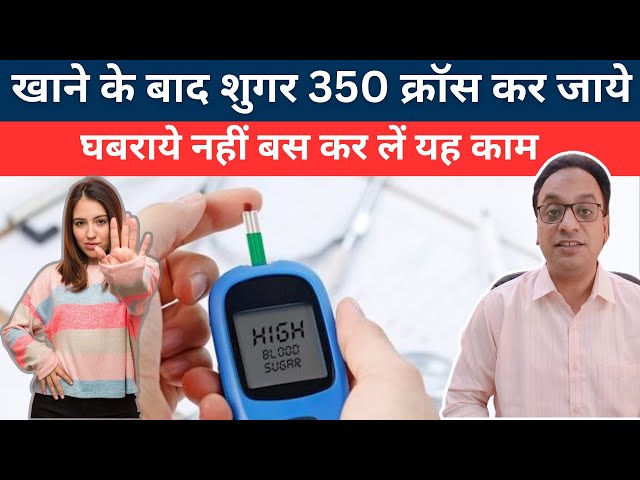
Country: United States. City: Baton Rouge, Cambridge, Fayetteville, Glendale, Grand PrairieBest ways to reduce blood sugar in a week Lack of awareness and faulty information is major cause of diabetes, so every diabetic or blood sugar measuring tool without blood prediabetes patients should gather the right information from authentic source. Learn and understand the right approach for effective diabetes reversal, see my more videos :- 1. Stable Glucose 2.1 diet, best diabetes diet plan, 2. Easy tips to control diabetes, Diabetes reversal, 3. Easy steps to control diabetes, Diabetes reversal, 4. Tips to control sweets craving in diabetic patients, 5.Diabetes,treatment,signs, symptoms ,causes & types, 6. Best breakfast for diabetic patients, 7. Tips for diabetes patients, intermittent fasting. 8.Easy tips to control PP blood sugar, 9. Best way to control diabetes, benificial herbs, My channel nature_sehat link:- This video YouTube link :- For Any Concern Email :- [email protected] Don't Forget Your To Like, Comment, Share & Subscribe #diabetic #diabetes #type #t #diabetesawareness #diabeteslife #diabadass #health #diabetescommunity #insulinpump #lowcarb #bloodsugar #weightloss #healthylifestyle #typeone #diabeticfriendly #diabetesdiet #fitness #diabeticfood#worlddiabetesday #drjunaid #drmdjunaid #drmohdjunaid #drmohammadjunaid#naturesehat#sehatnature #nature #sehat #sugarcravings, #cravings, #sugar, #healthylifestyle, #sweettooth, #sugaraddiction, #weightloss, #sugaraddict, #nutrition, #food, #foodcravings, #sugardetox, #sugarrush, #sugarcraving, #healthyliving, #cravingssatisfied, #sweetcravings, #healthyeating, #health, #dinner Thanks for ashwagandha blood sugar reddit watching this video Dr. Mohammad Junaid, MD(Ay.) From Delhi what is a good fasting blood sugar reading India